To retain employees without raising salaries, you need to address what money cannot fix. Pay significantly below market and you will lose people — but once you reach market rate, more money is rarely the deciding factor. The 2026 State of People Strategy report found that three of the top five reasons employees leave are non-financial: lack of belonging, limited growth, and work that feels meaningless.
1. Structured career conversations
Employees who can see a clear path forward are less likely to look for one elsewhere. This does not mean promotions — it means regular conversations about skills, aspirations, and what the next 12-24 months could look like. Managers who hold these conversations once a quarter retain their teams at measurably higher rates.
2. Recognition that is specific and timely
Generic "great job" feedback has no retention value. Recognition that names the specific action, explains why it mattered, and arrives within days of the event is meaningfully different. Peer recognition programmes that allow colleagues to acknowledge each other directly tend to have higher impact than top-down programmes alone.
3. Psychological safety in teams
Teams where people feel safe to raise problems, admit mistakes, and challenge decisions without fear of blame have significantly lower voluntary turnover. Psychological safety is not a culture poster — it is a measurable property of a team that managers can directly influence through their own behavior.
4. Flexible work where the role allows it
The 2025 labor law changes in Bulgaria introduced the 30-day flexible workplace provision. Beyond compliance, flexibility is now a retention tool. Employees who have some control over where and how they work report higher job satisfaction.
5. Transparent internal mobility
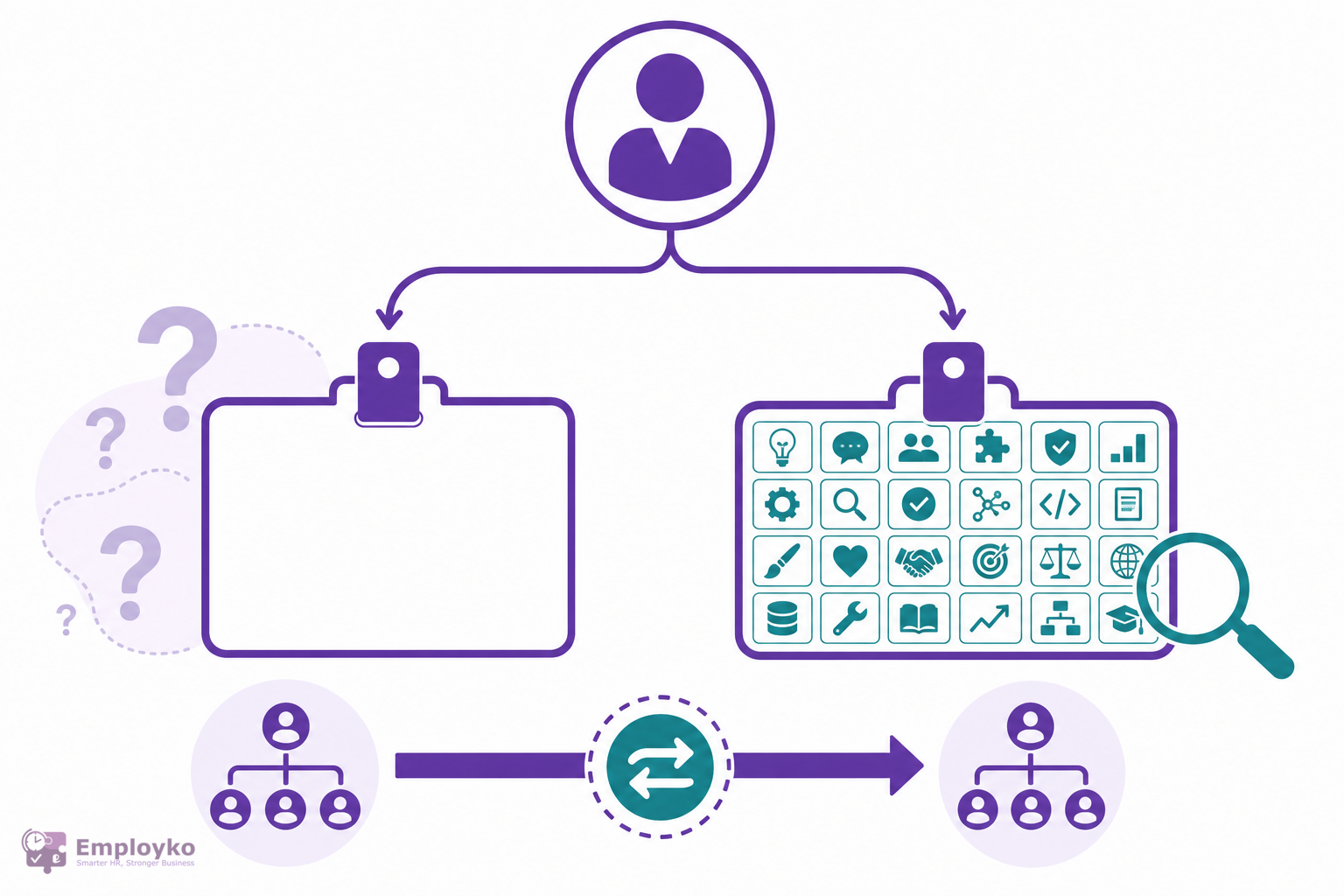
One of the most underused retention levers is internal mobility. When employees know that applying for a different role internally is genuinely supported, they look inside the organization before looking outside. A process that is opaque — where internal applications seem less likely to succeed than external ones — actively encourages people to leave.